Baker’s Percentage Explained with a Complete Worked Formula
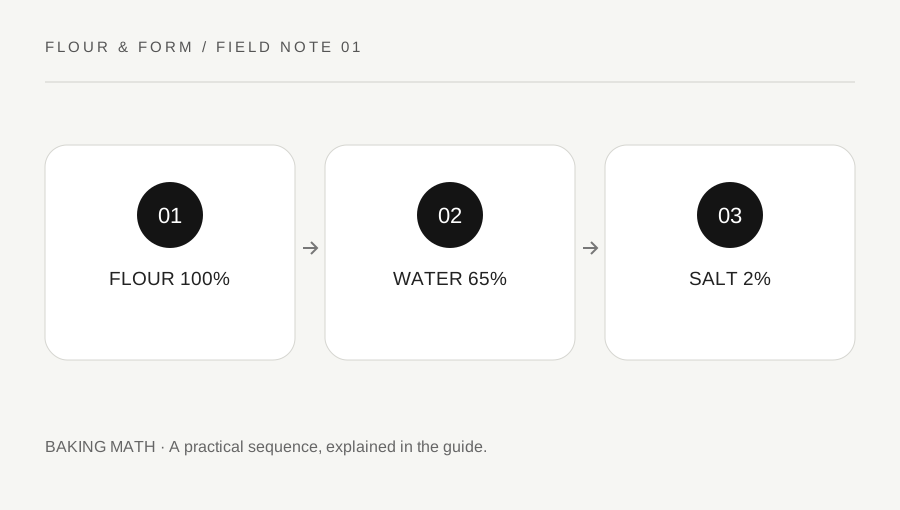
Baker’s percentage expresses each ingredient against the total flour weight. Flour is always 100%, so the formula stays understandable when the batch changes.
Read the complete guide ↗Baker’s percentages, dough hydration, recipe scaling and practical measurement guides for thoughtful home baking.
Explore the detailed guides ↗Clear explanations · Worked examples · Practical tools
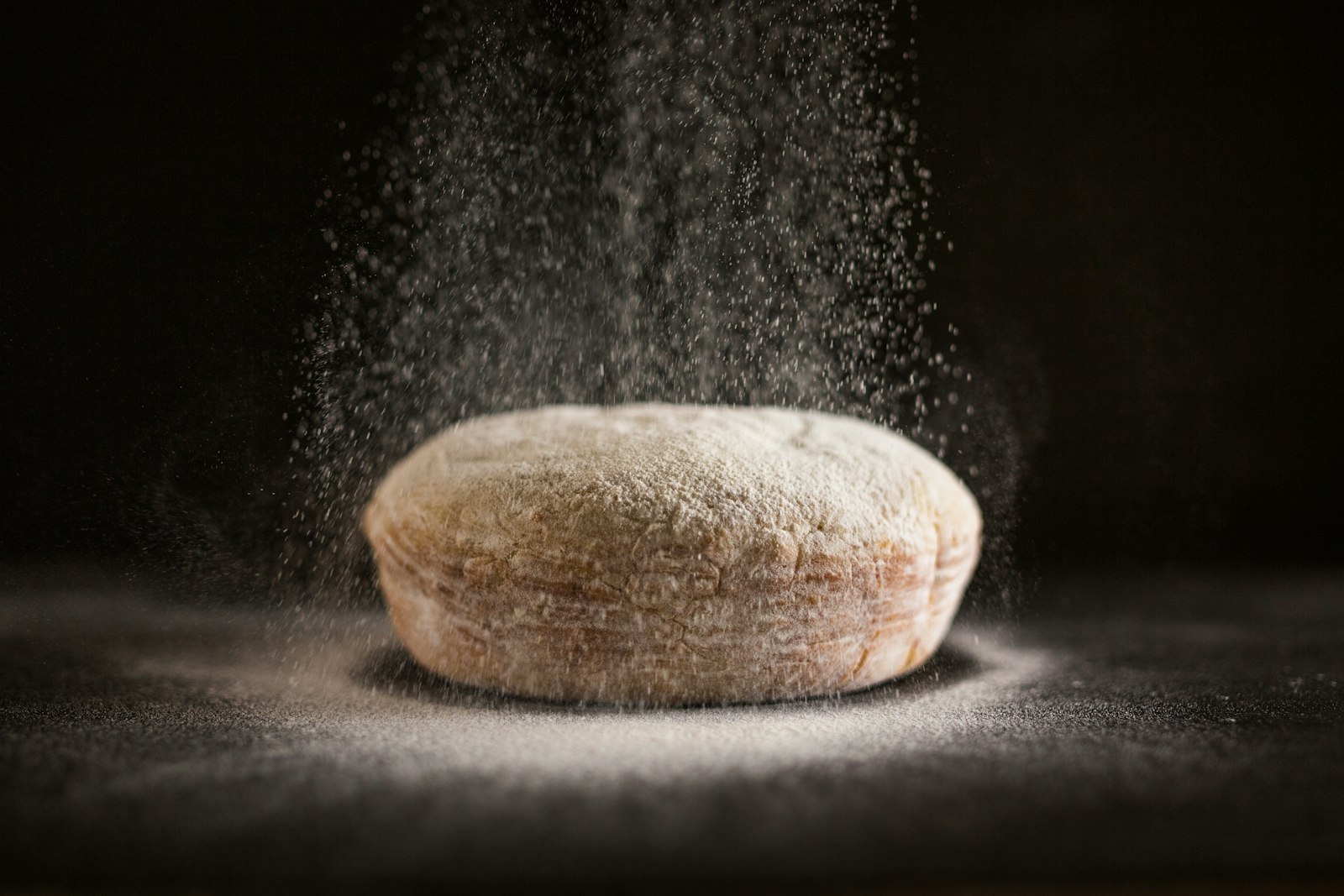
Editorial photograph: Patrick Fore / Unsplash. Illustrative scene; not a photograph of our own testing.
20 complete guides.
Baker’s percentage expresses each ingredient against the total flour weight. Flour is always 100%, so the formula stays understandable when the batch changes.
Read the complete guide ↗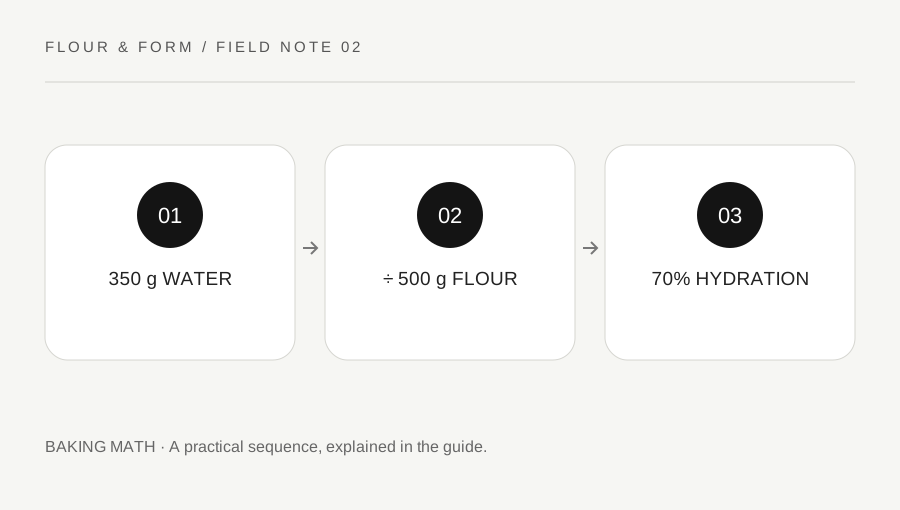
Hydration is a useful ratio for comparing dough formulas. It is not a complete prediction of how a dough will feel or how a loaf will turn out.
Read the complete guide ↗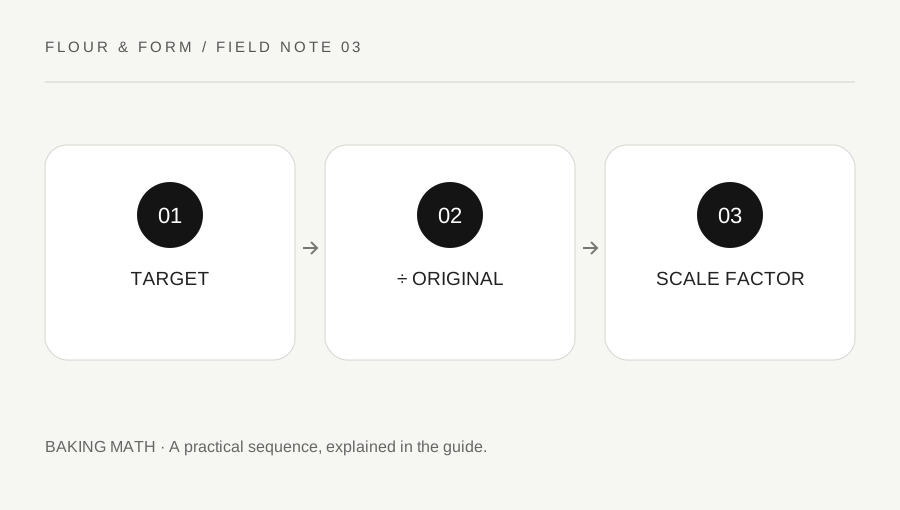
A scale factor changes ingredient quantities together. Capacity, timing and practical handling still need a separate check.
Read the complete guide ↗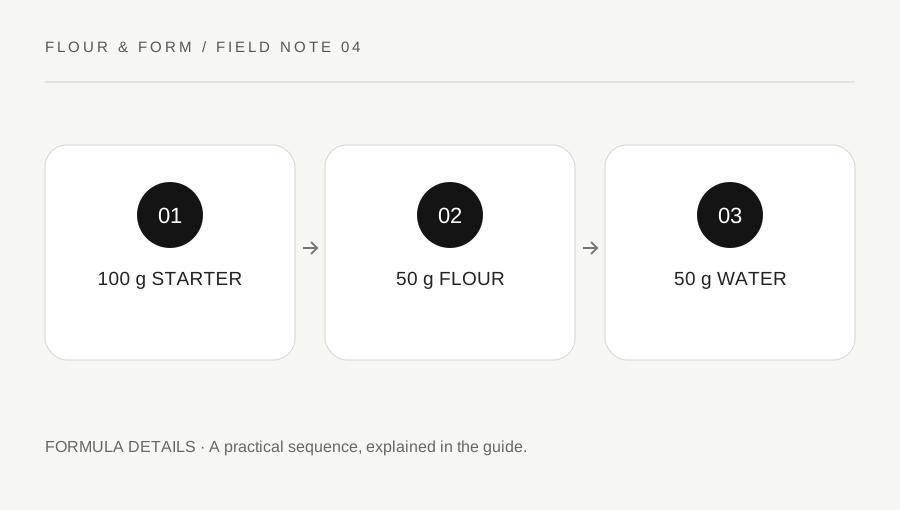
A starter contributes both flour and water. Separating those components makes total hydration and recipe scaling much clearer.
Read the complete guide ↗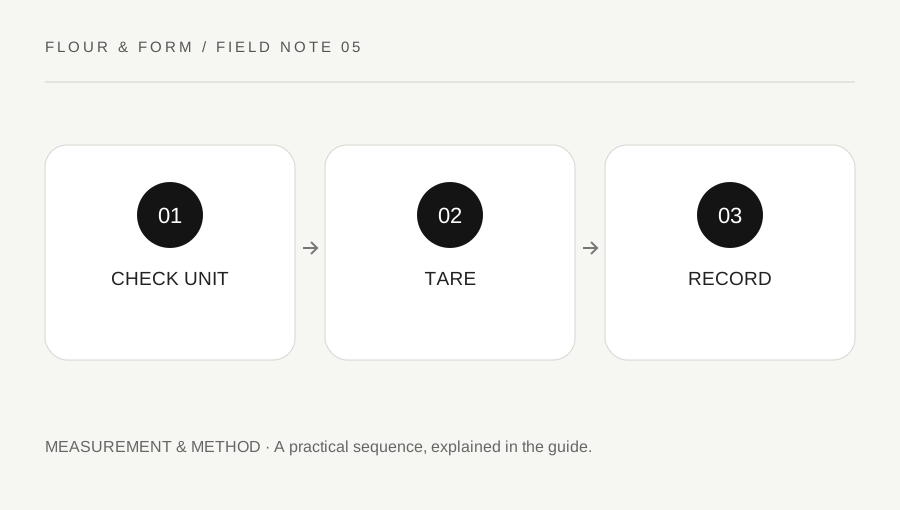
A consistent weighing routine removes avoidable uncertainty. The useful skill is not just reading the display, but knowing which ingredient and unit it represents.
Read the complete guide ↗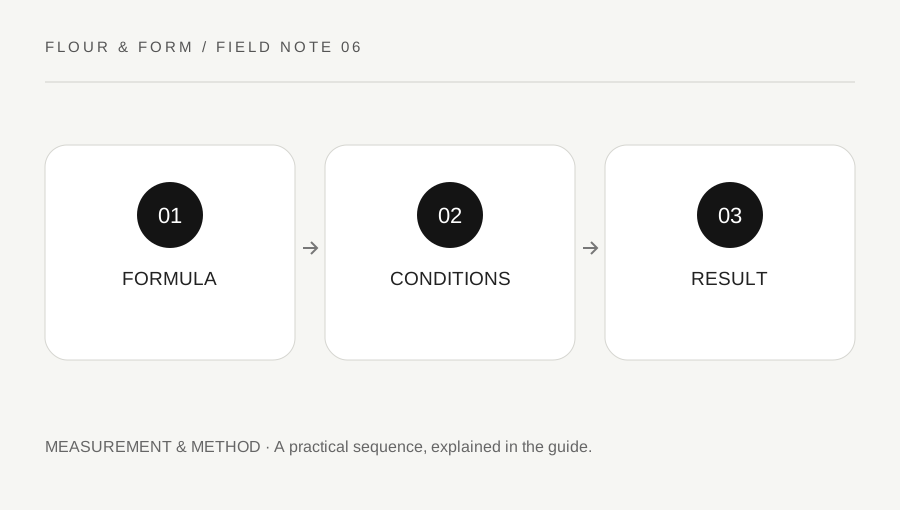
A good bread log links a formula to what happened in the kitchen. It helps you repeat a success without turning one bake into an unreliable rule.
Read the complete guide ↗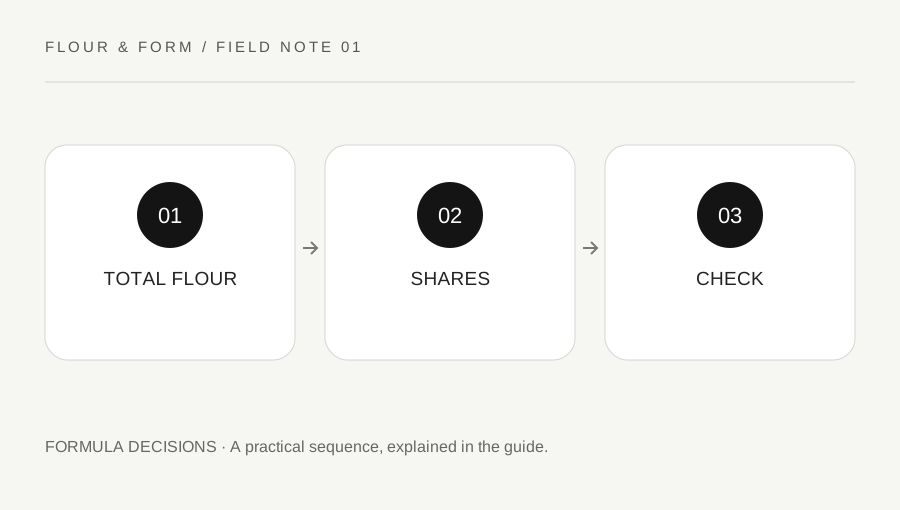
A flour blend divides one total flour amount among several flours. The individual shares should add to one hundred percent before water or other ingredients are considered. Keep that blend calculation separate from predictions about dough feel or baking performance.
Read the complete guide ↗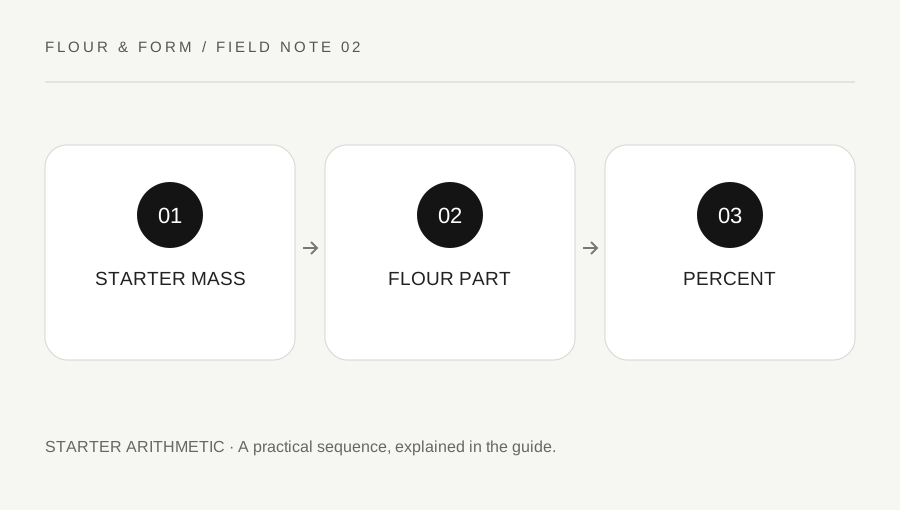
A starter contains flour and water. Its total weight is therefore a different quantity from the flour it contributes. When comparing formulas, state whether a percentage describes starter mass or prefermented flour, and use the same denominator throughout.
Read the complete guide ↗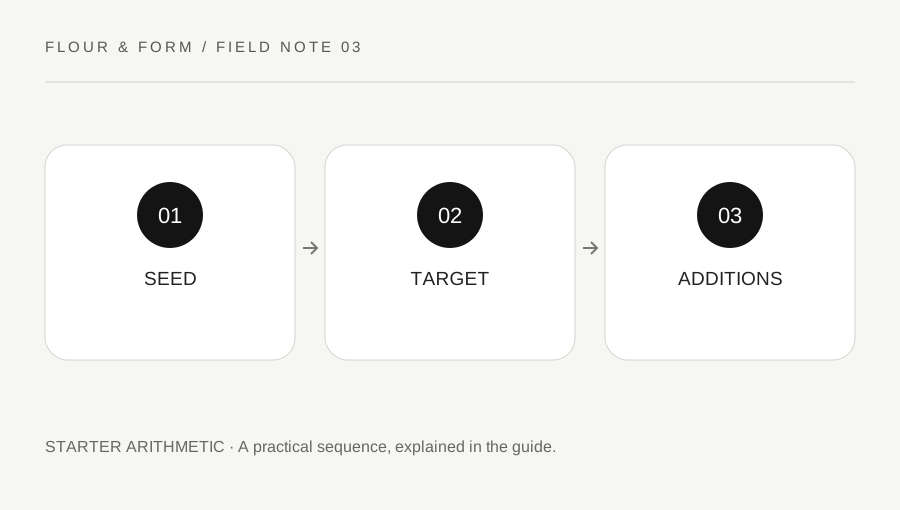
A seed starter already contains flour and water. A target build must include those existing contributions before calculating additions. This guide explains mass balance with illustrative numbers; it does not prescribe a culture-care schedule or fermentation endpoint.
Read the complete guide ↗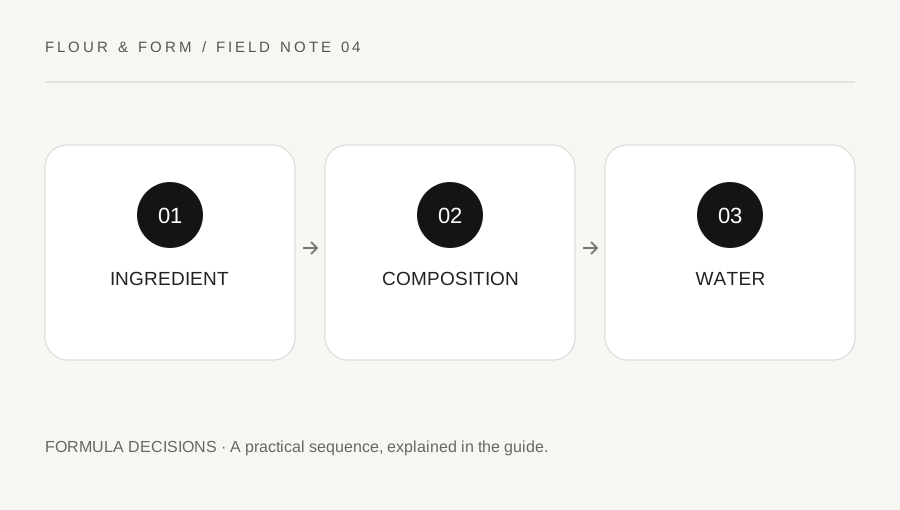
Milk, eggs and other liquid ingredients contain more than water. Treating every gram as pure water can make a hydration comparison misleading. Keep ingredient mass and estimated water contribution in separate columns, and label any composition assumptions.
Read the complete guide ↗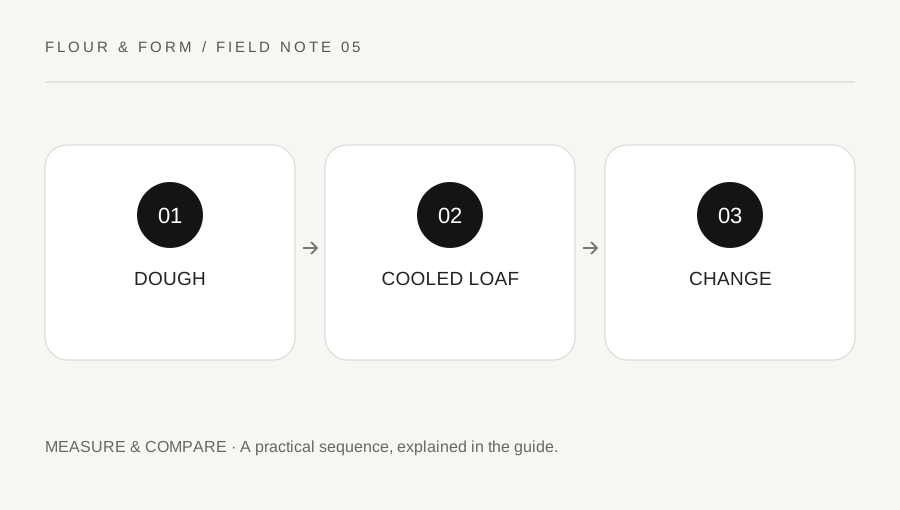
A dough piece and its cooled baked loaf can weigh different amounts. Measuring that change helps describe an actual bake, but one percentage is not a universal prediction. Keep the weighing stage, units and observed conditions clear.
Read the complete guide ↗
A pan’s printed dimensions do not fully describe its shape, and a volume ratio does not validate a new bread process. Start with the recipe’s intended pan and compare usable dimensions, material and manufacturer guidance before changing dough quantity.
Read the complete guide ↗
A scale displaying decimals is not automatically accurate for every tiny amount. Read its range, resolution and instructions, then choose a suitable measuring method for the recipe. Keep display precision separate from a claim about measurement accuracy.
Read the complete guide ↗
A scaling calculation can produce more decimal places than a kitchen scale can use. Keep the exact calculation separate from the chosen measuring amounts, then check the rounded totals. Rounding is a documented practical decision, not a reason to hide discrepancies.
Read the complete guide ↗
A portioning plan needs either a desired number of pieces or a desired piece weight. Those are different starting constraints. Weigh the usable dough at the stated stage and keep any planned remainder visible rather than assuming the bowl’s original formula mass is all available.
Read the complete guide ↗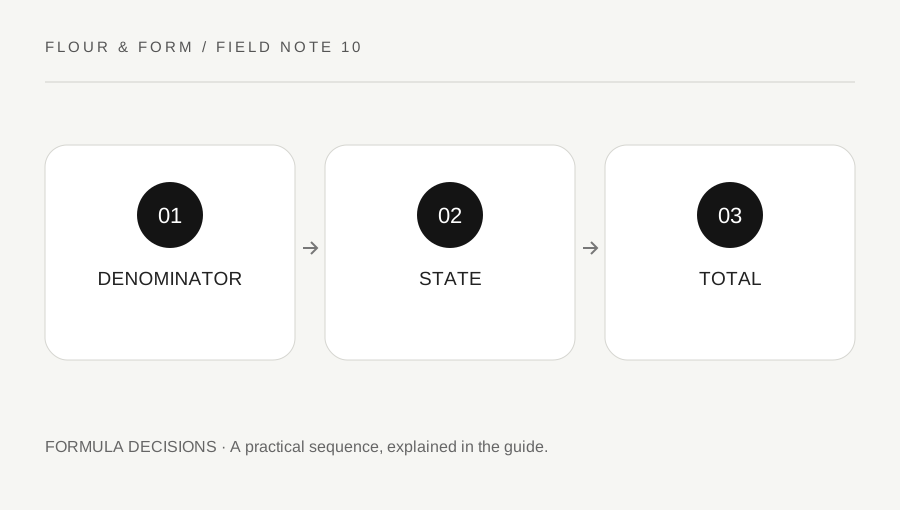
An inclusion percentage usually needs a stated reference weight. Ten percent of flour is not ten percent of the final dough. Keep the inclusion’s preparation state and any associated liquid visible so the formula remains reproducible.
Read the complete guide ↗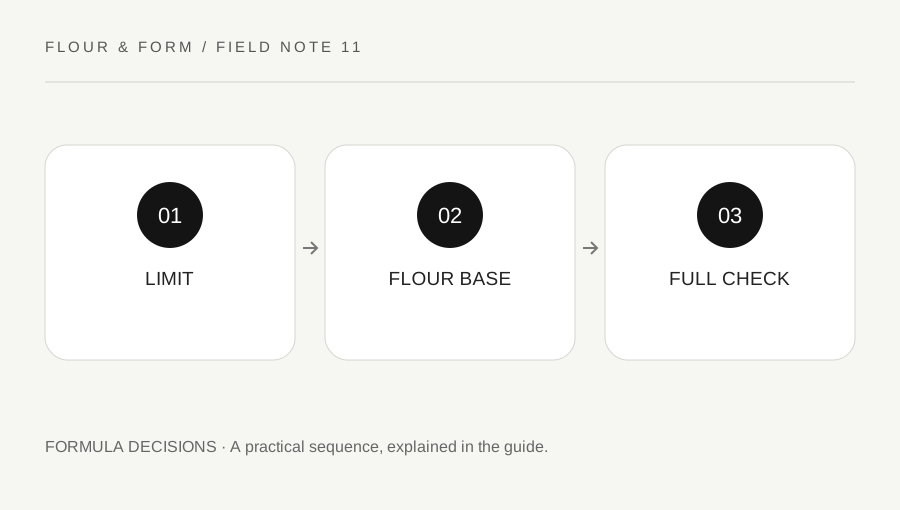
Sometimes the available ingredient amount is the constraint rather than desired dough weight. Solve that row for total flour, then calculate the remaining formula. Check every other ingredient and equipment limit before assuming the mathematically possible batch can be made.
Read the complete guide ↗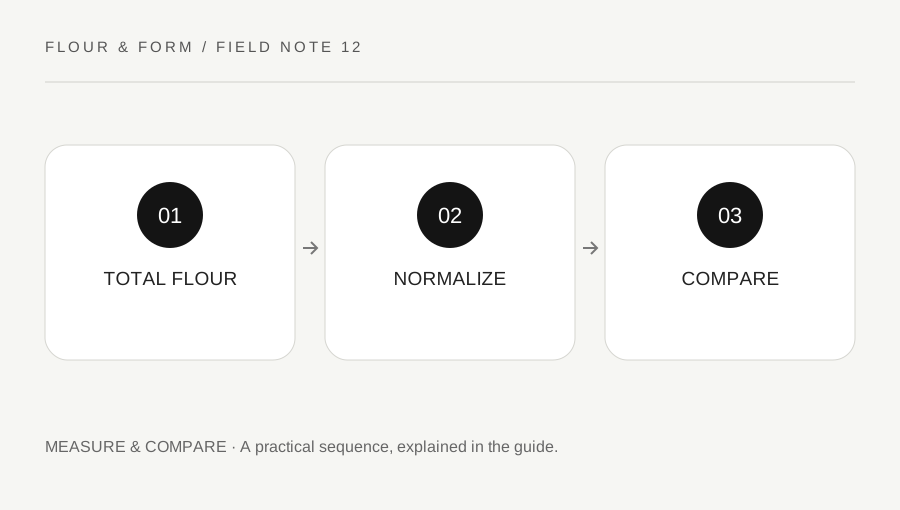
A larger recipe can look wetter or saltier simply because all its ingredient weights are larger. Normalize both formulas to the same total flour before comparing their ratios. Keep ingredient identity, stage contributions and the process separate from the arithmetic.
Read the complete guide ↗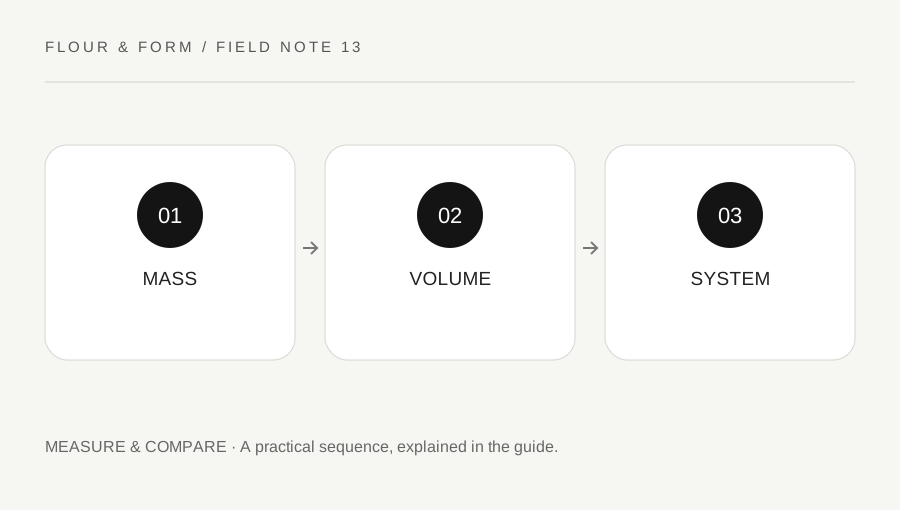
An ounce of mass and a fluid ounce of volume are different quantities. The letters oz and fl oz should not be treated as interchangeable. Identify the unit system and ingredient before converting a recipe or entering values into a weight-based formula.
Read the complete guide ↗
A short pre-mix audit can catch a missing starter contribution, inconsistent unit or mistaken denominator. Check the formula as a quantity system before preparing ingredients. A successful arithmetic audit supports a verified recipe but does not prove the recipe’s process is complete.
Read the complete guide ↗Read the explanation, inspect the example and use the checklist at your own pace. Our guides make assumptions visible and explain when a general suggestion may not fit. How this journal is made ↗