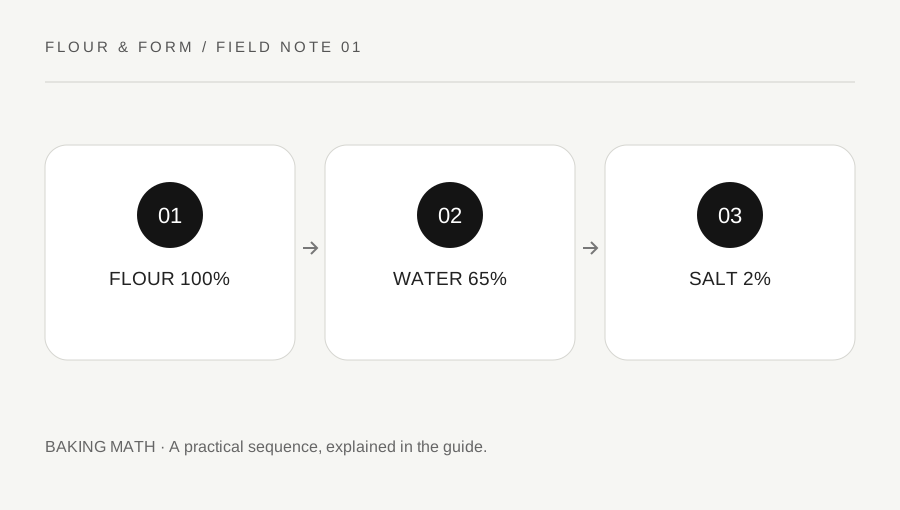
Baker’s Percentage Explained with a Complete Worked Formula
Baker’s percentage expresses each ingredient against the total flour weight. Flour is always 100%, so the formula stays understandable when the batch changes.
Read the complete guide ↗Baker’s percentages, dough hydration, recipe scaling and practical measurement guides for thoughtful home baking.
Explore the detailed guides ↗Clear explanations · Worked examples · Practical tools
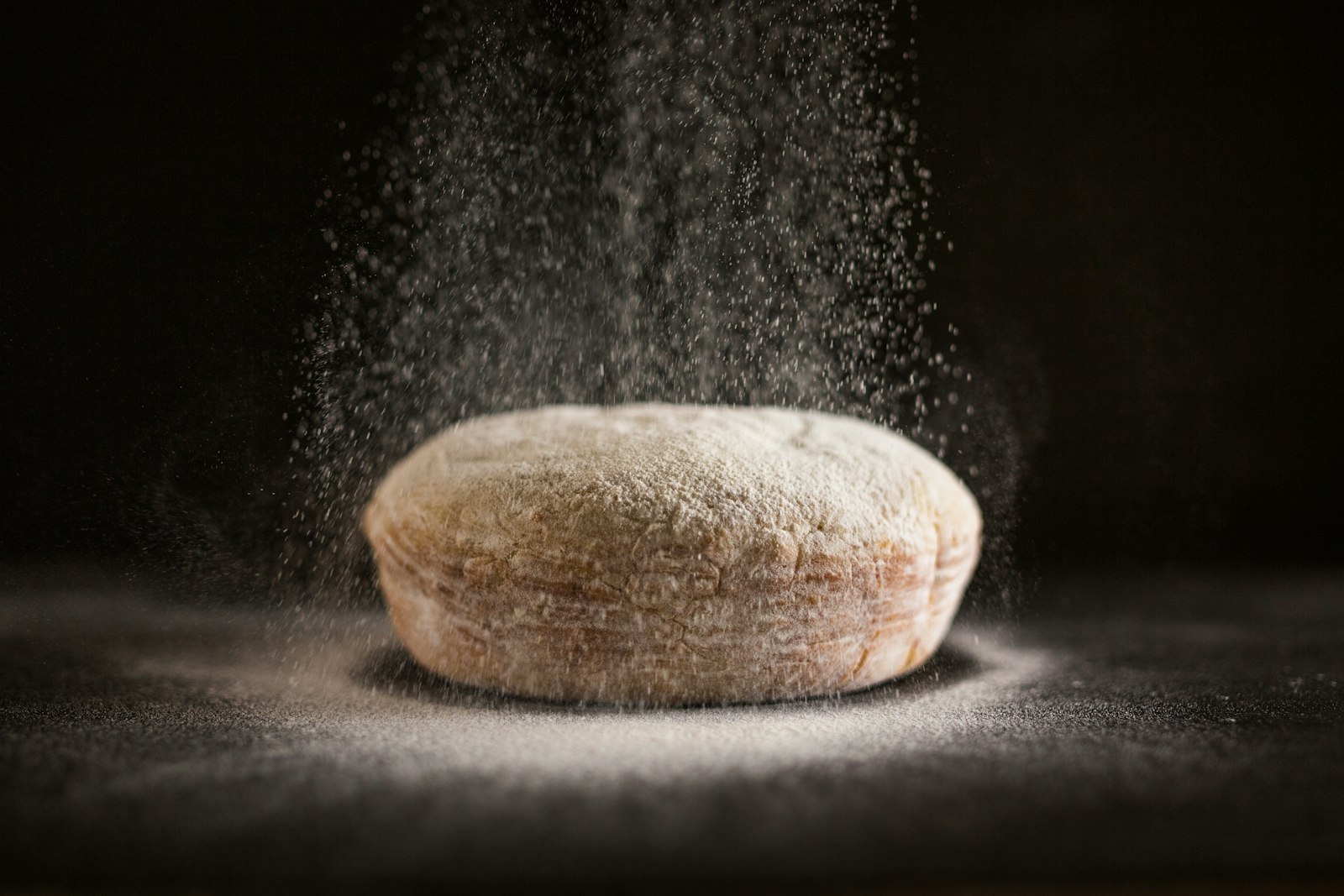
Editorial photograph: Patrick Fore / Unsplash. Illustrative scene; not a photograph of our own testing.
Six complete guides.
Baker’s percentage expresses each ingredient against the total flour weight. Flour is always 100%, so the formula stays understandable when the batch changes.
Read the complete guide ↗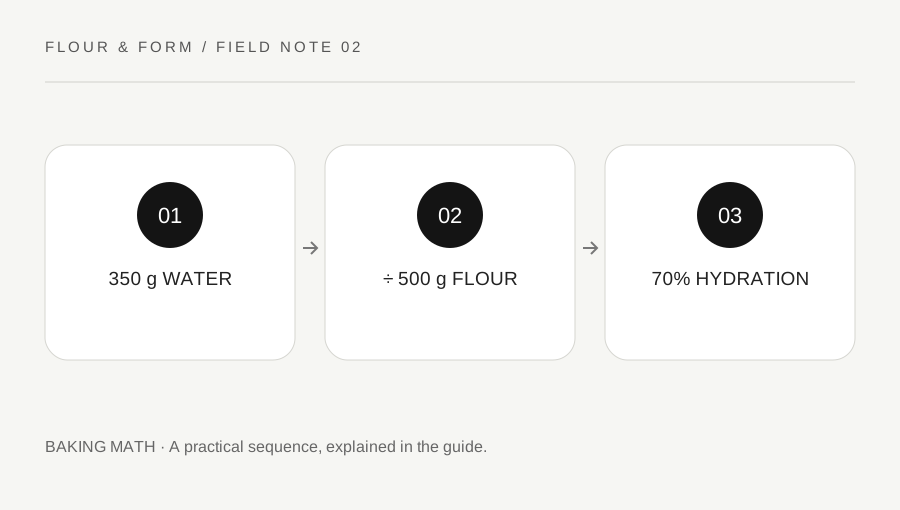
Hydration is a useful ratio for comparing dough formulas. It is not a complete prediction of how a dough will feel or how a loaf will turn out.
Read the complete guide ↗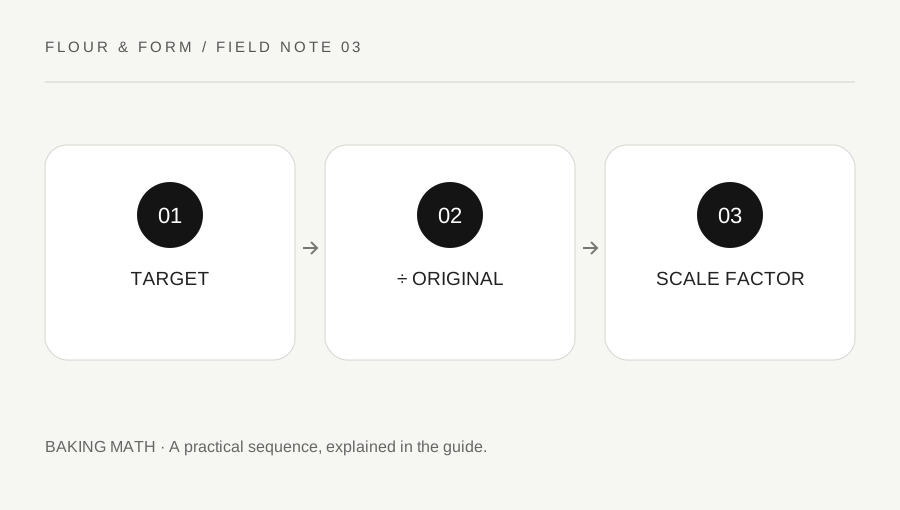
A scale factor changes ingredient quantities together. Capacity, timing and practical handling still need a separate check.
Read the complete guide ↗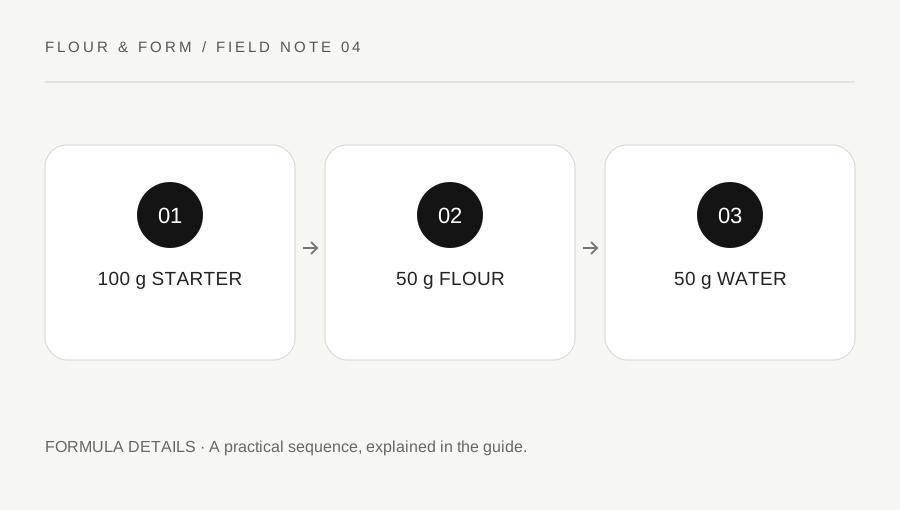
A starter contributes both flour and water. Separating those components makes total hydration and recipe scaling much clearer.
Read the complete guide ↗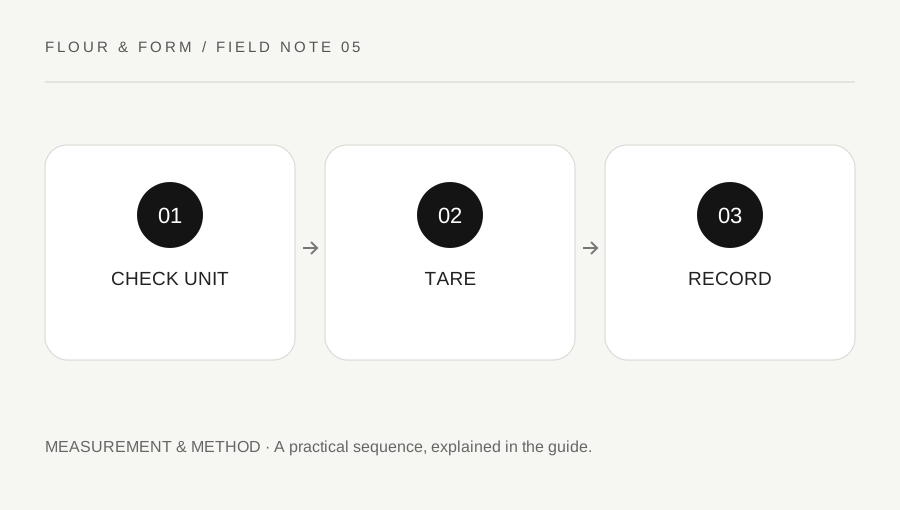
A consistent weighing routine removes avoidable uncertainty. The useful skill is not just reading the display, but knowing which ingredient and unit it represents.
Read the complete guide ↗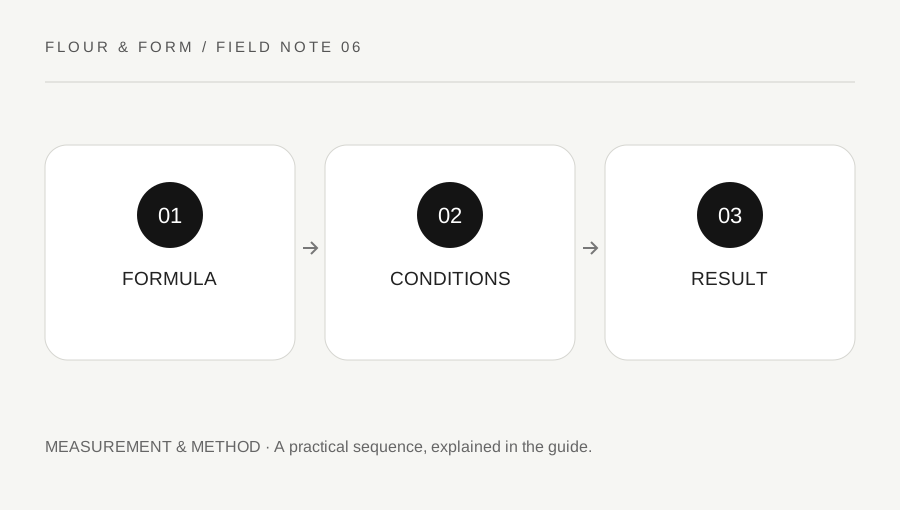
A good bread log links a formula to what happened in the kitchen. It helps you repeat a success without turning one bake into an unreliable rule.
Read the complete guide ↗Read the explanation, inspect the example and use the checklist at your own pace. Our guides make assumptions visible and explain when a general suggestion may not fit. How this journal is made ↗